Follow us on Google News
Get the latest updates directly in your Google News feed
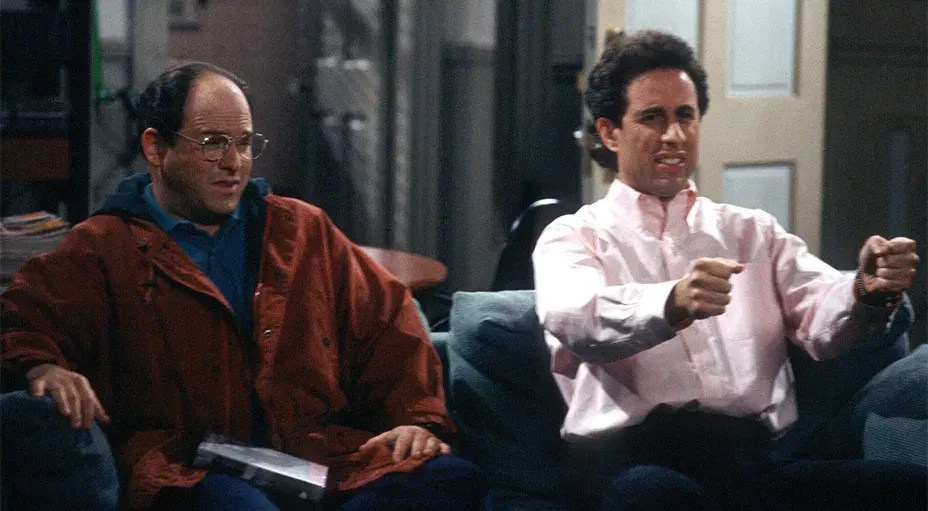
Jerry Seinfeld is one of the most distinguished standup comics and has been active since the late ‘70s. The actor-writer is known for his timeless sitcomSeinfeld, which is often considered to be one of the greatest comedies on TV. The show ran for nine seasons and has often been regarded as the defining sitcom of the era.

While many sitcoms have been aired since then, few have come close to the popularity and pop cultural impactSeinfeldhad. The show is still loved by audiences with its signature theme being parodied and referenced on multiple occasions. When asked what was the secret behind the show’s longevity, Jerry Seinfeld had a simple answer.
Jerry Seinfeld’s Simple Reason ForSeinfeld’s Longevity
Jerry Seinfeldand Larry David co-created the sitcomSeinfeld,basing many of the stories on their own experiences. Seinfeld played an exaggerated version of himself, a stand-up comic who uses his life in New York as material for his routine. The sitcom showed the character’s dating exploits as well as the experiences of his friends: George, Kramer, and Elaine.
Why Did Seinfeld Stop at Season 9? Jerry Seinfeld Knows the Answer: “The most important word in art is ‘proportion'”
The sitcom has received many accolades over the years and many of the cast members have got their breakthrough with the show. Actors such as Julia Louis-Dreyfus, Jason Alexander, and Michael Richards became synonymous with the show while many recurring characters went on to have great careers, such as Bryan Cranston and Wayne Knight.
The show is still loved today, twenty-five years after it last aired. When asked about the reasons for its longevity, Jerry Seinfeld had a very simple answer. He mentioned on theQ with Tom Powerpodcast that he never did topical jokes like politics that fizzled out in time. He said,

“I’ll give you the Jackie Gleason answer because he was asked this question about The Honeymooners his entire life. People would always ask, ‘Why do you think these shows are still on?’ And he had a two-word answer: ‘They’re funny.’”
He mentioned that only time would tell whether someone had made a show that was ‘really funny’ or ‘kind of funny’. He called writing something that would be relevant or funny even twenty years after it was written to be hard work.
Why Aren’t Sitcoms As Popular AsSeinfeldAnymore?
WhileSeinfeldwas not the last sitcom to be a pop-cultural phenomenon, the genre has taken a beating in the past few years. Fewer sitcoms are leaving a cultural impact as big asSeinfeld, F.R.I.E.N.D.S., or evenThe Big Bang Theory. One of the reasons for this could be the advent of streaming, which does not give the same amount of breathing room as a network.
According toScreen Rant,many sitcoms that have become fan favorites such asThe OfficeandIt’s Always Sunny In Philadelphianeeded some time to figure out what it wanted to be before it became a hit. However, the current streaming model reportedly follows a ‘churn and burn’ method which immediately cancels shows that do not get enough viewership.

TV’s Last Billionaire Jerry Seinfeld’s Comment on “PC Nonsense” Proves He Never Gave a Damn about Cancel Culture
Netflix has been notorious for canceling shows that have received positive reviews after one season due to a lack of viewership. Recently, the Michelle Yeoh starrerThe Brothers Sunwas canceled after one season despite receiving positive responses from audiences and critics alike (viaVariety).
Another potential reason could be the trope being outdated for the audiences of today. Many sitcoms followed the formula of either a dysfunctional family that played traditional roles or were based around young adults in their ‘20s. The trope has had its run with the demographic receiving other genres to entertain them.

Nishanth A
Senior Writer
Articles Published :2419
Nishanth A is a Senior Entertainment Writer at FandomWire, majorly focusing on TV shows with over 2,000 articles published. He has been an entertainment journalist for the past two years and a scriptwriter at various corporations before that, working on educational content. With a Communications, English Literature, and Psychology triple major, Nishanth usually covers news and analyses on Star Trek, particularly Strange New Worlds and The Next Generation; Doctor Who, the DCU, and more.A Nolan fan, Nishanth spends his time exploring the filmographies of various directors with an auteurial style or can be found making short movies of his own. He has also contributed as a feature writer for Film Companion, focusing on the South division.
